31
Jul
Steel vs Plastic vs Wire Mesh Lockers: Which Is Right for Your Environment?
Ask ten facility managers which locker material wins and you’ll get ten confident answers, most of them wrong for at least half the sites they’re picturing. Steel, wire mesh and plastic lockers aren’t competing for the same job. One handles heavy daily use and higher security. Another allows for better ventilation. The other handles moisture and constant cleaning without damage. Picking between them means picturing the room the lockers will actually sit in, not ranking the materials against each other in the abstract.
Here’s how that plays out across the sites where the choice actually comes up.
A staff changing room in a factory or warehouse
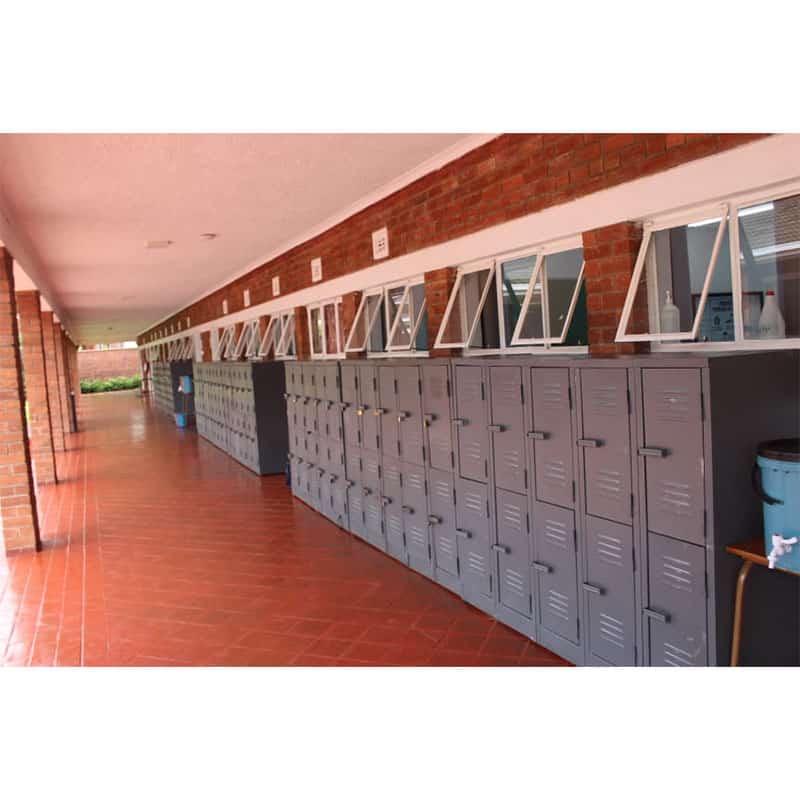
Heavy daily use, valuables left behind during a shift, and doors that get slammed rather than closed: this is steel’s environment. A properly finished steel locker shrugs off dents, holds its hinges tight, and keeps its structural integrity across years of opening and closing without complaint. For sites where lockers see rough handling every single day, that lifespan matters more than almost any other factor on the list.
Pair steel with something like cellphone lockers for the smaller, higher-security storage most modern workplaces need alongside the bigger units, and you’ve covered both the bulk storage and the pocket-sized valuables in one setup.
A construction site or manufacturing facility
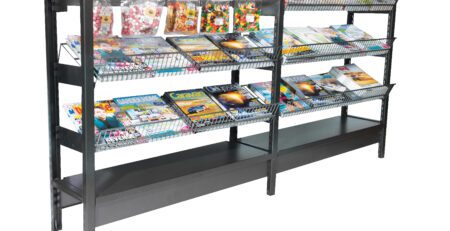
Wire mesh lockers are the ideal storage solution for environments where security, visibility and ventilation are equally important.
The open mesh design allows the contents of each locker to be easily viewed, helping to deter pilfering while enabling quick visual inspections. Their excellent airflow makes them particularly well suited to workplaces where wet clothing, PPE or equipment needs to dry naturally. Available in a durable powder-coated finish for dry indoor environments or a galvanised finish for added corrosion resistance in damp or humid conditions, wire mesh lockers provide a practical and long-lasting storage solution across a wide range of industries.
A gym, pool deck, or industrial kitchen
Constant moisture changes the calculation entirely. Left in a humid room or exposed to chlorine and wet towels day after day, untreated steel rusts, and rust doesn’t just look bad. It weakens hinges, locks, and seams until the locker stops doing its job properly. Plastic lockers don’t corrode under any of that. They wipe down easily, resist odour build-up, and skip the periodic repainting or rust treatment steel eventually demands in a wet environment.
Plastic lockers are rust-proof, non-corrosive, easy to clean and highly resistant to moisture, chemicals and impact. Their seamless construction prevents dirt and bacteria from accumulating, helping businesses maintain the highest hygiene standards
A coastal facility, wet or dry
Salt air behaves like humidity even in a building that’s technically dry inside. Anywhere near the coast, plastic is worth defaulting to before you even walk the site, because steel or wire mesh can still work here but only with the right protective coating and ongoing attention to keep rust from creeping in. Skip that maintenance for a season and the locker starts working against you instead of for you.
A school, hostel, or public-facing facility
Vandal resistance becomes the deciding factor once lockers sit in an unsupervised, high-footfall space. Steel generally holds up better against someone trying to force a door open, which is worth weighing heavily for any school or community facility without constant supervision. Hostel lockers built for durability under constant student use tend to lean toward steel for exactly this reason, particularly where security matters more than moisture resistance.
Locking mechanisms don’t usually decide the outcome on their own. Padlock hasp and staple, cam locks (lock and key), and three point locking systems all fit onto steel and plastic lockers alike, so the deciding factor is how well the locker body itself resists being forced open, not which lock is bolted onto it.
A general office
For files, stray equipment, and personal belongings in a dry indoor environment, steel remains the practical default. It handles the daily wear of an office without much thought, and unless the building sits somewhere unusually humid, moisture never becomes a factor worth planning around.
Running the numbers before you decide
Before committing to either material, walk through the site with a few honest questions. Is it wet or dry for most of the year? Does whatever gets stored need real security, or is it towels and gym kit? What’s the realistic budget, including upkeep over the next few years, not just the sticker price today? How much daily footfall will these lockers actually see? How much ventilation is needed?
The answers usually point clearly toward one material long before price enters the conversation. A dry, secure office points to steel or wire mesh. A wet, high-turnover changing room points to plastic. Most sites aren’t as close a call as they first appear, once you’ve walked through them with the right questions in hand.
Plastic doesn’t rust, full stop, which is why pools, gyms, and coastal sites lean toward it so consistently. Steel offers the higher security ceiling and better resistance to forced entry, which is why offices and factories lean the other way. For an industrial kitchen specifically, plastic tends to be the practical default given the moisture it deals with daily. Designed to meet HACCP compliance requirements, these lockers are perfect for demanding commercial and industrial environments